UAE
UAE 


- 1st June 2027- Bootcamp & Expo Set up
- |
- 2nd June 2027- Expo Day 2 and Networking Dinner
- |
- 3rd June 2027- Expo Day 3
Introduction
This is a Call for Papers for Project Controls Expo UAE 2027 — the Home of Delivery Certainty, Predictability & Accountability — enabling stronger outcomes, measurable benefits, and greater public value for the global project controls community.
Shortlisted speakers will have the opportunity to present at Project Controls Expo and be featured in the technical papers section of the Project Controls Expo website and ProjectControlsOnline.com (by invitation).

Showcase your expertise

Please Note
Speakers are invited for the following zones and they must submit the topic & abstract that falls under the domain of Project Controls.
Abstract/Topic submissions are welcomed from around the globe. If selected to speak at the Project Controls Expo, speaker will be given a complimentary access to Expo Day 2 & 3.
There are no additional charges/fees for your participation.
Project Controls Expo can provide only limited assistance in the process of obtaining any necessary visas required for entry into the UAE. As such, expenses related to visas, accommodation, and flight tickets remain the responsibility of the speaker.
Key dates

Abstract & topic submission due

Notification of abstract acceptance / decline

Presentation preparation in the provided template

Notification of presentation acceptance / decline

Final submission with requested changes (if any)

Presentation at the Expo
Seminar Streams
To ensure public and owner accountability for outcomes, benefits, and long-term value, not just delivery compliance.
How owners and governments design and operate governance, assurance, and project controls frameworks that translate capital investment into realised policy outcomes, service improvements, and public value.

benefits realisation

informed decision making

public trust and accountability
- Government departments and agencies
- Asset owners and infrastructure clients
- Senior Responsible Owners (SROs)
- Portfolio and investment leaders
- Treasury, IPA, assurance and audit bodies
- Government Bodies & Public Authorities
- Asset Owners & Client Organisations
- Independent Assurance & Audit Bodies
- Governance models that support benefits realisation
- Portfolio prioritisation and capital allocation
- Assurance, gateways, and independent challenge
- Lessons learned where benefits were diluted or lost
- Roles and interfaces between sponsors, PMOs, delivery partners, and assurance
- Owner / Client Mainstage
- Government-led panels
- Portfolio & investment decision forums
- Case studies including underperforming programmes
- Panels focused on sponsor delivery assurance interfaces
To deliver predictable outcomes in complex, multi-party delivery environments.
How delivery organisations integrate people, systems, contracts, and controls across multiple interfaces to deliver outcomes reliably at programme and portfolio scale.
- Tier-1 contractors and EPCs
- Programme and project directors
- PMO and delivery integration leaders
- Commercial and planning managers
- Contractors & EPCs
- Delivery Integrators
- Programme Management Organisations
- Integrated delivery and PMO models
- Interface risk and responsibility gaps
- Cost, schedule, and risk integration
- Recovery strategies for failing programmes
- Governance handoffs between programme and project levels
- Delivery Authority & Integrator Forum
- Sector Panels (Infrastructure, Energy, Transport, Defence)
- Cross-role panels (client + contractor + integrator)
- Deep-dive discussions on integration failures
- Real delivery recovery case studies
To develop project controls as a core organisational and business leadership capability, ensuring the profession can influence strategic decisions, portfolio outcomes, and benefits realisation — not just monitor delivery performance.
How project controls capability evolves across a professional journey — from technically focused, process- and data-driven roles to strategic, people-centred, and business leadership positions — while retaining the technical rigour that underpins credibility.
- Project controls practitioners (mid to senior level)
- Heads of Project Controls and PMO Directors
- Programme and portfolio leaders
- Delivery and functional executives
- Training providers and professional bodies
- Professional & Industry Bodies
- Training and Education Providers
- Leadership, Capability & Transformation Consultancies
- Organisations developing competency and assessment frameworks
- The transition from technical specialist to organisational leader
- Positioning project controls as a business decision-support function
- Strategic thinking using controls insight (not just reporting metrics)
- Leading people, teams, and multi-disciplinary functions
- Cultural and structural barriers that limit controls influence
- Designing competency frameworks that reflect career progression and role evolution, not static job descriptions
- Capability, Leadership & Community Hub
- Project Controls Labs focused on leadership and decision scenarios
- Panels featuring senior project controls leaders operating at executive and portfolio level
- Case studies tracing career journeys from planner / cost engineer to senior leader
- Interactive sessions on:
- Translating technical data into executive narratives
- Managing stakeholders, conflict, and organisational politics
- Balancing technical depth with strategic breadth
To enable better decisions and outcomes, not just better dashboards.
How technology, data, and digital innovation support integrated decision-making, benefits tracking, and outcome assurance across organisations and supply chains.
- Project controls leaders and practitioners
- Digital transformation and PMO leads
- Asset owners and delivery organisations
- Systems integrators and data specialists
- Software & Technology Providers
- Digital Transformation & Systems Integrators
- Applied use cases and implementation lessons
- Data integration across cost, schedule, risk, and commercial
- Predictive analytics and scenario modelling
- Why technology implementations fail
- Governance of data ownership and interfaces
- Technical Controls Labs
- Digital & Systems Sessions
- Live system demonstrations tied to delivery outcomes
- Before/after digital maturity case studies
- Owner–vendor–integrator panel discussions
To protect value, benefits, and outcomes throughout the delivery lifecycle.
How commercial strategy, contracts, and project controls align to manage change, avoid disputes, and support fair, evidence-based resolution when disputes arise.
- Legal advisors and asset owners
- Commercial and contract managers
- Claims and dispute specialists
- Project controls and planning leads
- Commercial & Contract Advisory Firms
- Legal Firms & Dispute Resolution Specialists
- Claims & Expert Witness Consultancies
- Contract strategy and controls alignment
- Change management and entitlement
- Delay, disruption, and quantum analysis
- Dispute avoidance and early resolution
- Learning from disputes and commercial failures
- Contract & Commercial Zone
- Dispute Avoidance & Resolution Panels
- Expert-led forensic controls sessions
- Case studies from adjudication and arbitration
- Demonstrations of controls evidence under scrutiny
To sustain outcomes and benefits in volatile and uncertain environments.
How risk management, assurance, and independent challenge protect delivery outcomes and benefits from systemic, financial, and external shocks.
- Government sponsors and asset owners
- Programme and portfolio leaders
- Risk, assurance, and audit professionals
- Regulators and independent reviewers
- Risk & Assurance Consultancies
- Independent Review Bodies
- Insurance and Risk Transfer Specialists
- Enterprise and programme risk management
- Quantified risk analysis and scenarios
- Independent assurance and gateway reviews
- Optimism bias and contingency governance
- Roles and interfaces between risk, controls, and assurance
- Risk & Assurance Forum
- Independent Challenge Panels
- Scenario-based workshops
- Case studies impacted by shocks and volatility
- Practical demonstrations of risk-informed decisions
Don't miss this excellent chance to share your knowledge and build your professional network. You'll receive valuable feedback and responses that will help you refine your skills, while also boosting your profile and expanding your expertise. Plus, your presentation will be showcased on two prestigious websites - Project Controls Expo and Project Controls TV - giving you unrivaled exposure and visibility. Seize this amazing opportunity to make a name for yourself in the industry!


Submission rules
Key terms, conditions, and submission notes apply for conference presentations.

Submitted technical papers
Discover valuable technical insights from our past conferences.

Project controls definition
Project Controls Definition page for industry insights and best practices.
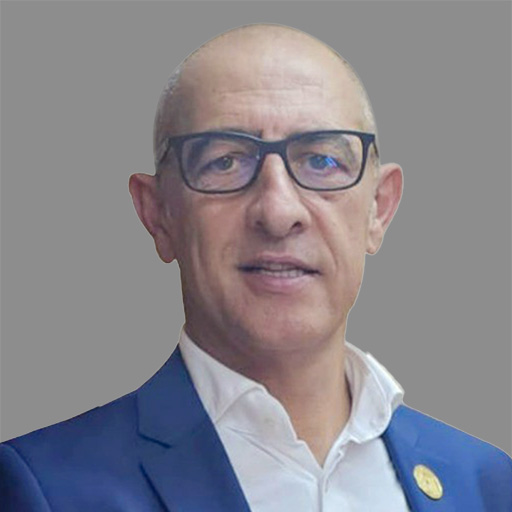
Past Expo Speakers
 in LinkedIn
Mohammed Azouagh
Senior Director, Head of Portfolio Strategy & Program Management
KPMG Lower Gulf